Financial adviser for an inheritance

Australia has no inheritance tax, but there’s often tax on what you inherit, whether that’s super, shares or property. The first few months are when most of the decisions get made. Pivot Wealth helps you plan them for a fixed fee.

Who we work with

Pivot Wealth is a Sydney-based financial adviser working with clients right around Australia, and a lot of them come to us when they inherit, when they expect to, or when they’re settling a parent’s estate. We’ve worked with more than 500 clients over 11 years. We’re paid a fixed fee rather than a percentage of your assets, so the fee doesn’t grow with the size of the inheritance.

INHERITED ASSETS

Where the tax sits

Man in a white shirt talking about his experience of financial advice
  • Sample icon 01 – Pivot Wealth service feature graphic

    Super left to adult children

    Adult children usually aren't tax dependants, so the taxable part of a parent's super is taxed at up to 15% plus the Medicare levy. Any untaxed part, which is common in some government and defined benefit funds, is taxed at up to 30% plus the Medicare levy.
  • Sample icon 02 – Pivot Wealth service feature symbol

    Inherited shares

    There's no tax when shares pass to you. But you take on the original purchase price as your cost base, so capital gains tax applies to the whole gain when you sell, unless the shares were bought before 20 September 1985.
  • Sample icon 03 – Pivot Wealth service feature graphic

    Inherited property

    A parent's home can often be sold within two years of the date of death with no capital gains tax. Outside that window, or for an investment property, the gain is usually taxed when you sell.
  • Pivot Wealth feature icon

    Income the estate earns

    Rent, dividends and interest earned between the date of death and the payout are taxed in the estate's own tax return, which the executor lodges.

STEP BY STEP

The first 90 days

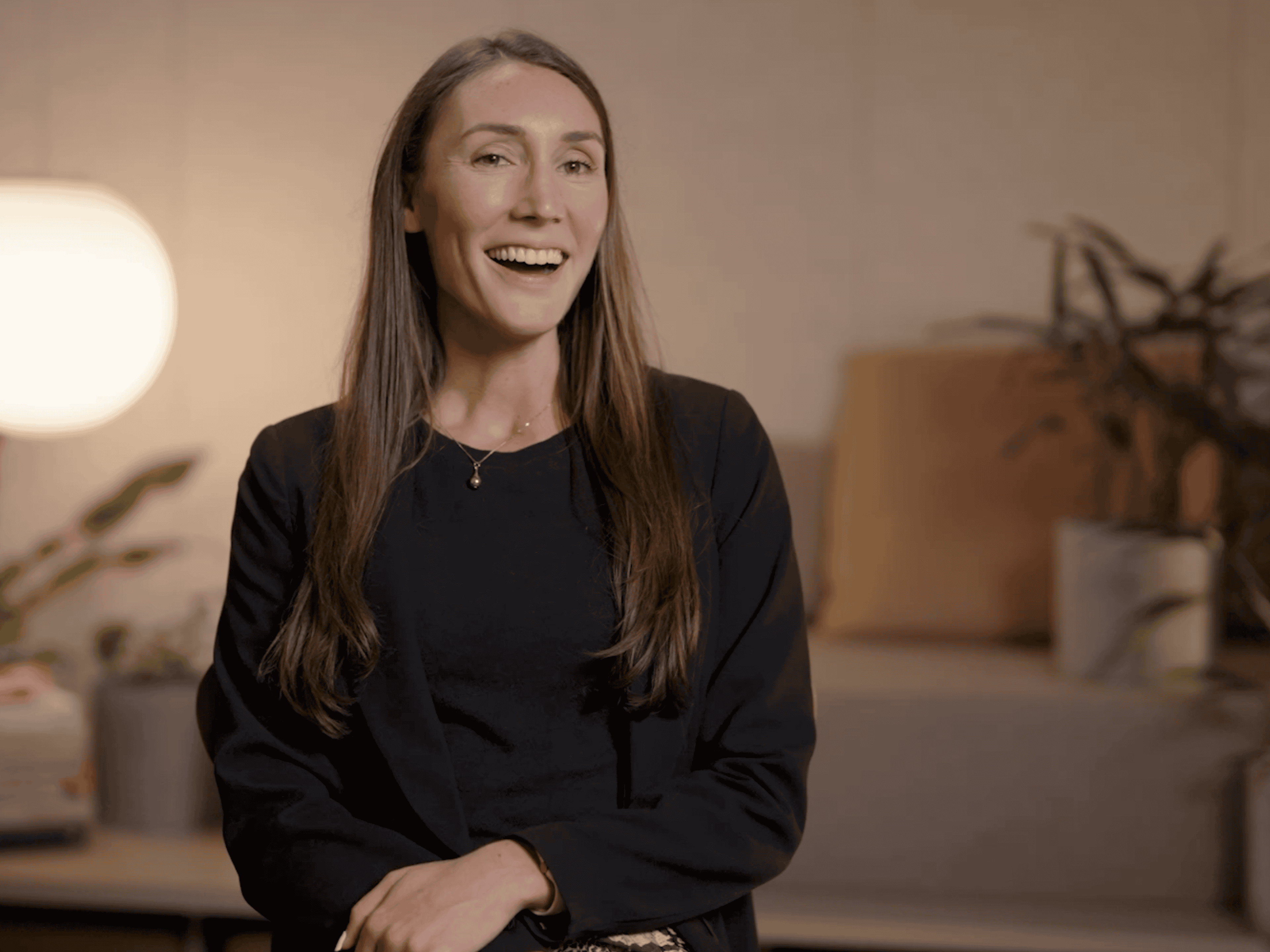
Woman smiling as she talks about her experience of financial advice
  • Sample icon 01 – Pivot Wealth service feature graphic

    The first month

    Most people find it helps to hold off on large purchases and investments for a few weeks while the estate is sorted out. Money from the estate can sit in an offset or a high-interest account in the meantime.
  • Sample icon 02 – Pivot Wealth service feature symbol

    Before anything is sold

    Before an executor sells shares or property, a registered tax agent can work out the capital gains tax on each asset. For a parent's home, the two-year window from the date of death sets the deadline.
  • Sample icon 03 – Pivot Wealth service feature graphic

    Before the money lands

    Paying down the home loan, investing, topping up super and helping your own kids each have a different tax result. Writing down the order you want to do things in before the money arrives makes the rest a lot easier.
  • Pivot Wealth feature icon

    By the three-month mark

    An inheritance often changes what you own, so it's a good time to review your own will, your super nominations and your insurance with your estate lawyer and adviser.

HOW WE WORK

How the fixed fee works

Pivot Wealth adviser in a branded T-shirt explaining how financial advice works
  • Sample icon 01 – Pivot Wealth service feature graphic

    A fixed fee, not a percentage of your assets

    You pay the same whether you have $100,000 invested or $2 million, so there's no reason for us to steer money into one place over another.
  • Sample icon 02 – Pivot Wealth service feature symbol

    No commissions or kickbacks

    We don't take payments from any investment, super or insurance product we recommend.
  • Sample icon 03 – Pivot Wealth service feature graphic

    A 12-month plan, with no long-term lock-in

    Your plan is built over the first six weeks, and the advice runs as a 12-month plan, with no lock-in beyond that.
  • Pivot Wealth feature icon

    Progress sessions at least every quarter

    We meet at least every three months to check the numbers, adjust the plan and work through whatever's changed.
  • Sample icon 01 – Pivot Wealth service feature graphic

    The team on tap

    Questions between sessions go straight to your adviser and the team, with no extra fees.

Questions about inheriting

For most people it’s worth getting advice before the money is spent or invested, because the order you do things in changes the tax. Selling an inherited home inside or outside the two-year window, or putting money into super before or after 30 June, can mean a difference of tens of thousands of dollars. Advice after the decisions are made can only work with what’s left. Our guide on what to do when you inherit money sets out that order step by step.

It depends on whether you were the person’s tax dependant. A spouse or a child under 18 usually receives super tax-free. Adult children generally pay up to 15% plus the Medicare levy on the taxable part and up to 30% plus the Medicare levy on any untaxed part, and the tax-free part stays tax-free for everyone. The ATO sets out the rules for beneficiaries of a deceased estate.

Not when you receive them. You take on the original purchase price as your cost base, so when you sell, capital gains tax applies to the gain since the shares were first bought. Shares bought before 20 September 1985 are the exception, because their cost base resets to the market value at the date of death.

Yes, within the contribution caps. The non-concessional cap is $130,000 for 2026-27, and the bring-forward rule can let you put in up to $390,000 at once if your total super balance is under the limit. Money in super is locked away until you meet a condition of release, so it’s worth weighing that against what else the inheritance needs to do.

Yes, and on an estate it usually takes all three. The estate lawyer handles the will, probate and paying out the estate, a registered tax agent lodges the estate’s tax return, and we plan what the inheritance does for you once it’s yours. We don’t give legal advice or administer estates, so we’ll point you to an estate lawyer if you don’t have one.

General information only. It isn’t personal advice. Consider speaking with a licensed adviser and registered tax agent about your situation.

Make the inheritance count

Book a short call and we’ll talk through what you’ve inherited, the decisions ahead and whether we’re the right fit.

Book a call